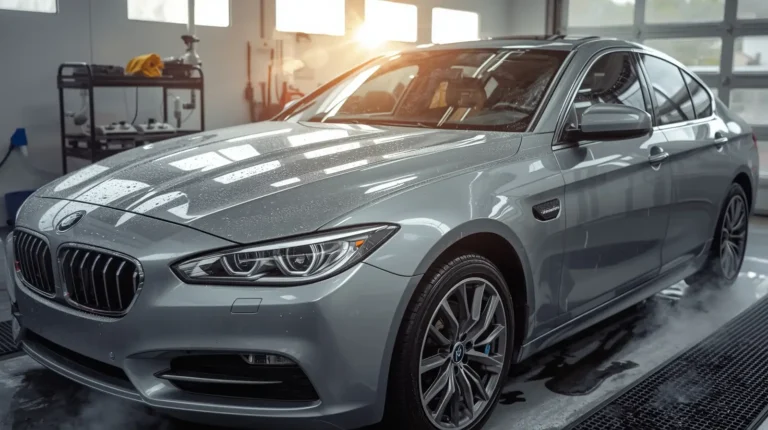
Ceramic tint vs regular tint comes down to performance, comfort, durability, and protection. Ceramic window tint blocks more heat, reduces glare better, protects against harmful ultraviolet rays, and lasts longer than standard dyed window tint. Regular tint costs less at first, but ceramic film gives better long term value for many drivers.
Window tint does more than change how a car looks. A high quality automotive window film can help lower cabin temperature, improve driving visibility, protect your interior, and create a more comfortable ride. Many drivers now choose nano ceramic film because it offers strong heat rejection without causing signal interference with phones, GPS, or radio systems.
This guide explains how ceramic tint works, how it compares to regular tint, and why more drivers choose premium tint film for daily driving comfort and protection.
Why More Drivers Are Paying Attention to Window Tint Performance
Drivers today expect more from their vehicles. They want comfort during long drives, protection from heat, and better visibility on sunny days. That is why automotive tint comparison has become an important topic for many car owners.
Years ago, people mostly chose window tint for privacy or style. Today, drivers care more about heat blocking, UV protection, glare reduction, and energy efficiency. A good tint can help keep the inside of a vehicle cooler while protecting seats, dashboards, and electronics from sun damage.
Modern ceramic technology has changed how people think about tinted windows. Instead of using only dyed tint, many installers now recommend ceramic film because of its strong tint performance and long lifespan.
Drivers also want solutions that work well in every season. A quality window film can help reduce heat during summer while adding comfort throughout the year.
Understanding the Basics of Automotive Window Tint
Window tint is a thin film added to vehicle glass. It changes how much light and heat enter the car. Different films offer different levels of visible light transmission, heat rejection, and privacy.
Many drivers hear terms like carbon tint, dyed window tint, and nano ceramic film without knowing the difference. Dyed tint is one of the oldest types. It mainly improves appearance and provides some glare control, but it does not block as much heat as premium options.
Carbon tint performs better than basic dyed film because it helps reduce heat and fading. Ceramic auto tint goes even further. It uses ceramic film technology to block infrared rays and ultraviolet rays without using metal particles.
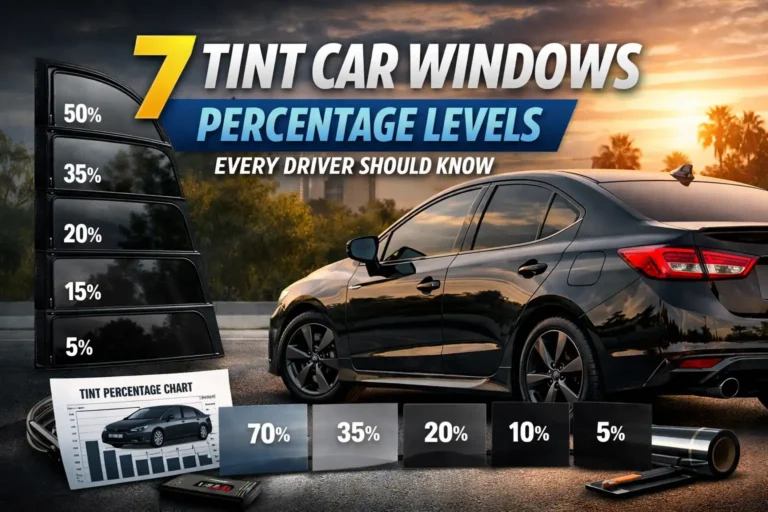
Visible light transmission, often called VLT percentage, measures how much light passes through the glass. Lower percentages create darker tint shades. Higher percentages allow more light inside the vehicle.
Drivers should also understand that darker tint does not always mean better heat blocking. Some lighter ceramic window tint options outperform darker standard films because they use advanced materials for solar energy rejection.
What Is Ceramic Window Tint and How Does It Work?
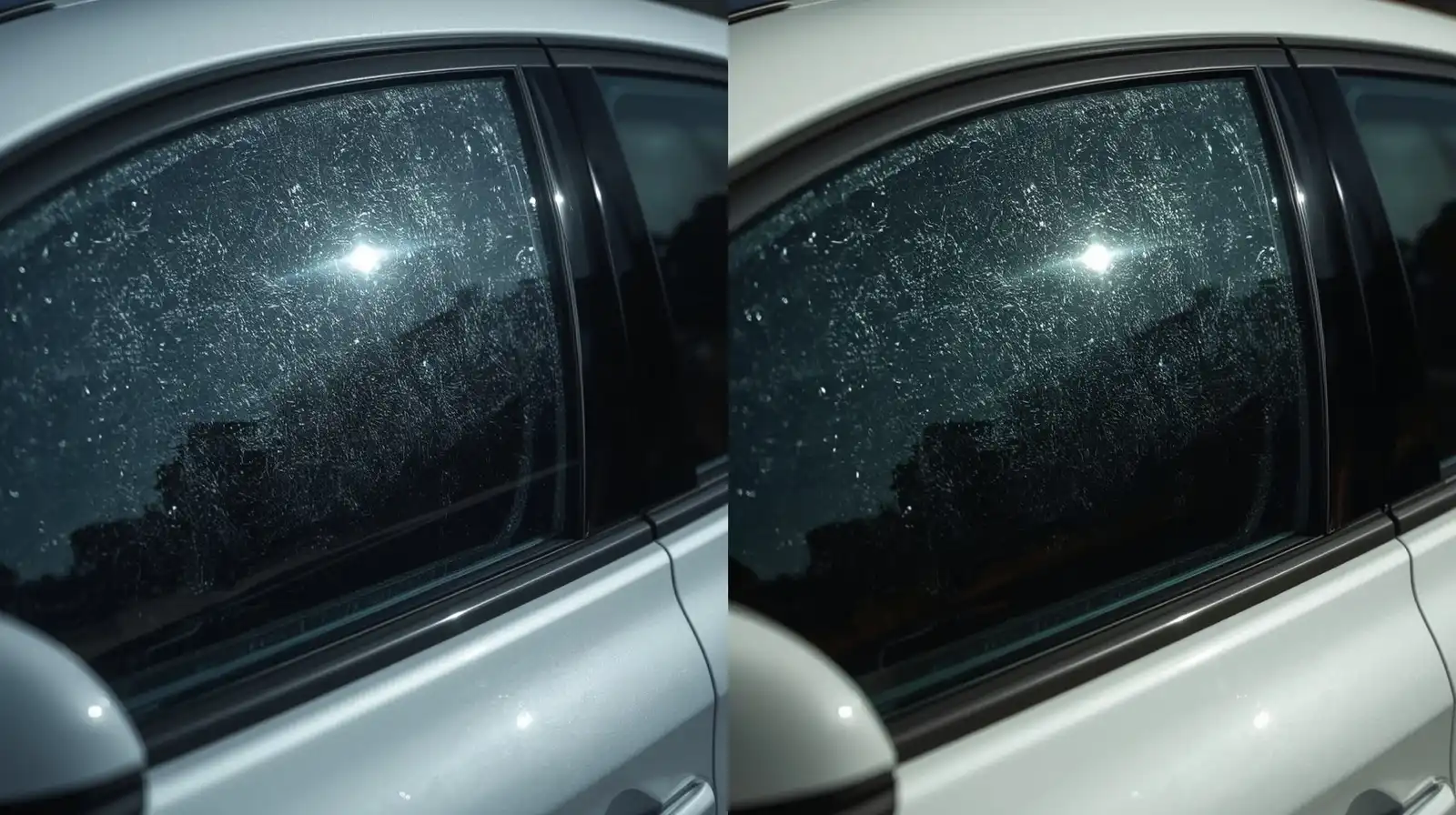
Many people ask, what is ceramic window tint? Ceramic window tint is an advanced automotive window film made with tiny ceramic particles that block heat and harmful radiation.
Unlike regular dyed tint, ceramic film does not rely only on darkness to control sunlight. Instead, it targets infrared protection and UV protection at a higher level. This allows the film to reduce heat while still maintaining clear visibility.
Infrared rays create much of the heat drivers feel inside their cars. Ceramic film technology helps stop these rays before they enter the cabin. This creates better cabin cooling and helps maintain a more comfortable temperature during hot weather.
Ceramic tint also helps reduce glare from bright sunlight and headlights. Better glare control can lower eye strain during long drives.
Another reason drivers like ceramic tint involves electronics. Since ceramic film does not contain metal, it avoids signal interference with phones, radios, or smart vehicle systems.
Many modern drivers now choose nano ceramic products because they combine comfort, performance, and long lasting durability in one solution.
Why Ceramic Tint Is Better for Heat and Interior Protection
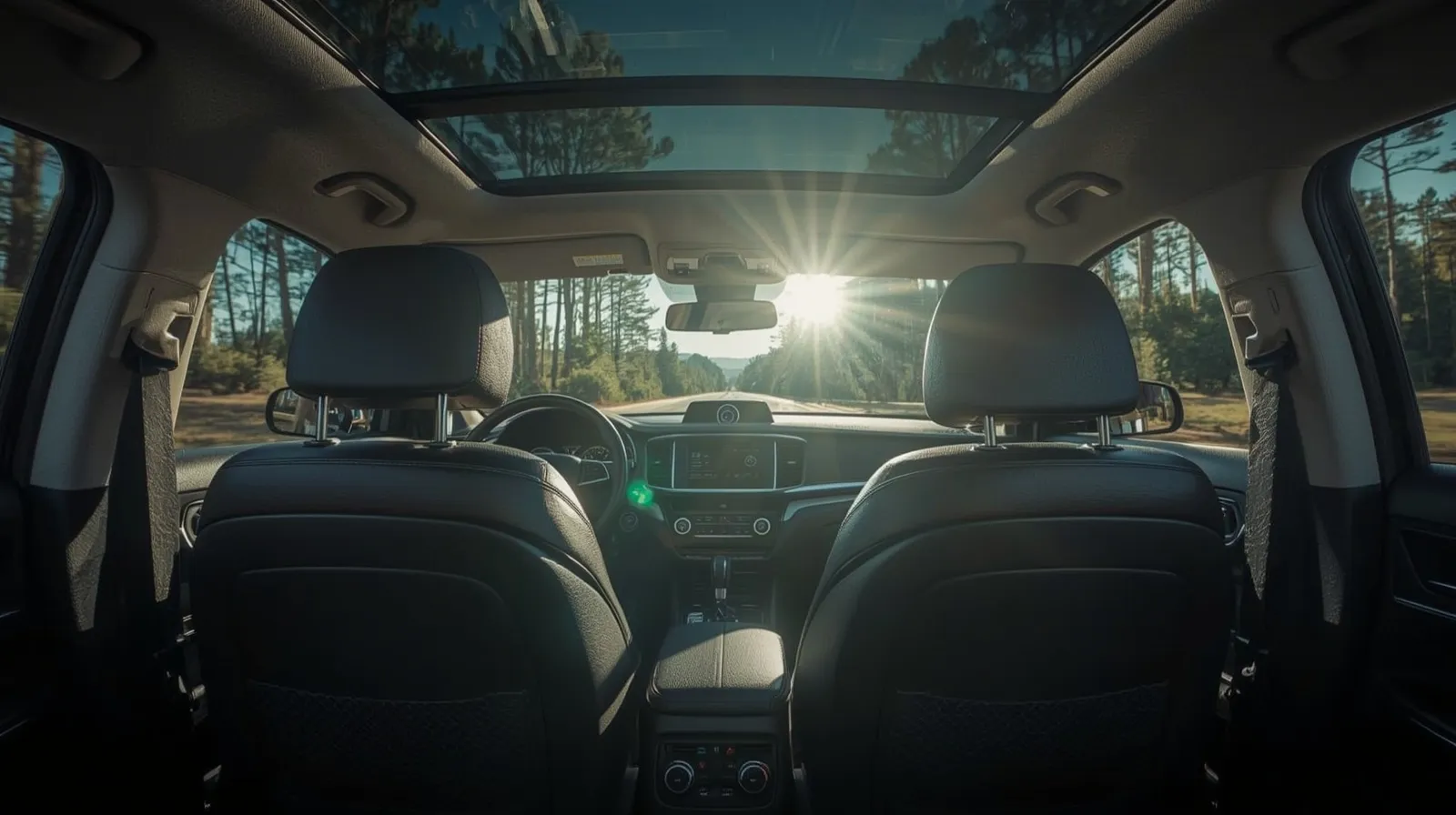
One reason many drivers upgrade to ceramic tint involves heat blocking. Cars parked in direct sunlight can become extremely hot within minutes. High quality ceramic film helps reduce this heat before it enters the vehicle.
Better windshield heat blocking improves comfort during daily driving. Drivers often notice cooler seats, lower steering wheel temperatures, and less strain on air conditioning systems.
Ceramic tint also protects the vehicle interior. Sun exposure can cause interior fading on leather seats, dashboards, and door panels. Strong ultraviolet ray protection helps reduce this damage over time.
A cooler interior can also improve energy efficiency because the air conditioner does not need to work as hard. This can make long drives more comfortable while lowering stress on the vehicle system.
Another benefit involves visibility. Many ceramic tint options reduce glare without making the glass too dark. Drivers can enjoy better driving visibility while still protecting themselves from bright sunlight.
People who spend hours commuting or driving during summer often notice major comfort improvements after switching to ceramic film.
Does Regular Tint Block Heat as Well as Ceramic Film?
Regular tint can block some heat, but it usually cannot match the performance of ceramic window tint. Standard dyed window tint mainly reduces visible light. Ceramic film blocks both light and infrared heat more effectively.
This difference becomes clear during hot weather. Vehicles with regular tint often feel warmer inside compared to vehicles with premium ceramic film.
Heat rejection ratings also vary between products. High quality ceramic films are designed for stronger IR rejection and solar energy rejection. Basic dyed tint focuses more on appearance and privacy.
Some drivers think very dark tint automatically means better heat blocking. That is not always true. A lighter ceramic film may outperform a darker standard tint because of the advanced ceramic technology inside the film.
Regular tint may also fade faster over time. Long exposure to sunlight can weaken lower quality films and affect their appearance. Ceramic tint usually maintains better color stability and tint durability.
For drivers who want stronger heat protection, improved comfort, and better long term performance, ceramic film often delivers better value.
Choosing the Right Tint Shade and VLT Percentage for Your Vehicle
Choosing the right tint darkness depends on comfort, style, visibility, and local laws. Some drivers prefer darker tint shades for privacy, while others want lighter film with strong heat blocking.
VLT percentage explains how much visible light passes through the glass. A lower percentage creates darker windows. A higher percentage allows more light inside.
For example, 5 percent tint appears very dark and provides strong privacy. A 35 percent ceramic tint allows more natural light while still offering good glare reduction and heat rejection.
Drivers should also think about night visibility. Extremely dark tint can make nighttime driving more difficult, especially in poorly lit areas. Many people choose medium tint percentages because they balance comfort and safety.
Professional tint installation also matters. Even high quality film can perform poorly if installed incorrectly. Clean installation improves appearance, durability, and overall tint performance.
Some drivers prefer clear ceramic tint for windshields because it helps reduce heat without creating a dark look. This option can improve comfort while keeping visibility high.
Ceramic Windshield Tint and Full Vehicle Coverage Explained
Many people focus on side windows but forget about windshield tint. The windshield allows large amounts of heat and sunlight into the vehicle. Ceramic windshield tint helps reduce this problem.
A windshield ceramic film can block infrared rays while keeping the glass clear enough for safe driving. This improves comfort without heavily darkening the windshield.
Front windshield tint also helps reduce glare during daytime driving. Bright sunlight can create eye strain and make long trips uncomfortable. Better glare control improves driving comfort and focus.
Full vehicle coverage creates balanced protection across all windows. Matching films help improve appearance while increasing overall heat blocking and UV protection.
Professional installers also understand legal tint requirements. Different areas allow different VLT percentages for windshields and side windows. Drivers should always choose films that follow local regulations.
Many drivers now use ceramic film on all windows because it creates more consistent cabin cooling and better interior protection.
How Drivers in Farmington Hills Benefit From High Performance Ceramic Tint
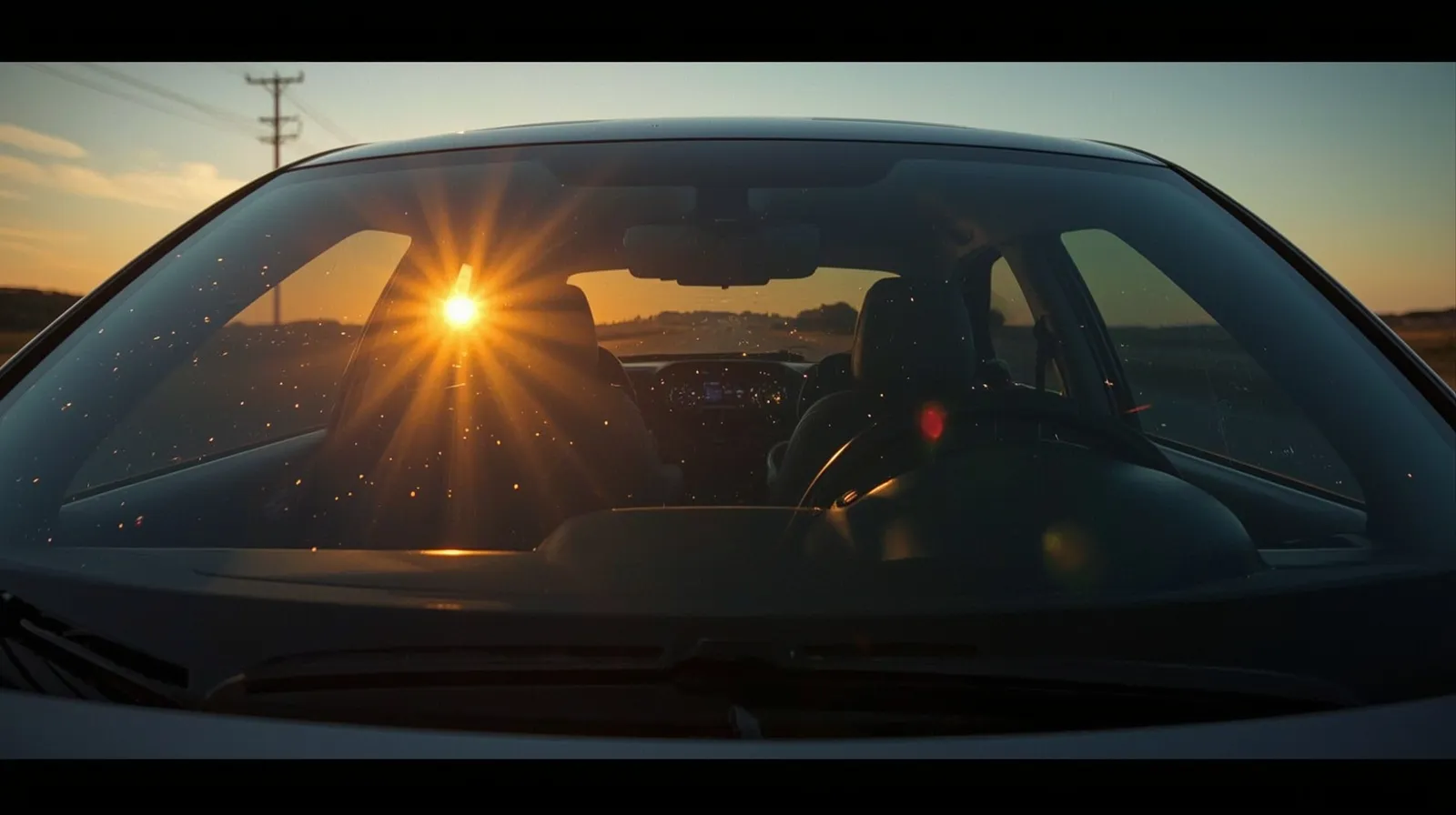
Drivers in Farmington Hills experience different weather conditions throughout the year, which makes window tint performance especially important. Strong sunlight during warmer months can quickly raise car cabin temperature and create uncomfortable driving conditions.
Many local drivers choose ceramic auto tint because it improves comfort during daily commutes and long drives. Better heat rejection helps keep interiors cooler while reducing glare from bright sunlight.
Ceramic tint also helps protect dashboards, leather seats, and trim from long term sun exposure. This can help maintain vehicle appearance and value over time.
At Rive Autohaus LLC, many drivers ask about the difference between ceramic tint and standard tint because they want long lasting performance instead of temporary results. Premium tint film often delivers stronger comfort, better clarity, and improved durability.
Drivers who spend time on busy roads also appreciate better driving visibility and glare reduction during daytime travel.
Is Ceramic Tint Better Than Regular Tint for Long Term Value?
For many drivers, ceramic tint offers better long term value than regular tint. It provides stronger heat blocking, improved UV protection, better fade resistance, and longer lasting performance.
Regular tint may cost less at first, but ceramic film often performs better over time. Many drivers notice cooler interiors, improved comfort, and better protection from sunlight after upgrading to ceramic technology.
Ceramic tint also helps preserve vehicle interiors by reducing interior fading and lowering heat exposure. This can help keep a car looking newer for longer.
Another important advantage involves visibility and comfort. Quality ceramic film reduces glare while maintaining clear outward vision during both daytime and nighttime driving.
Drivers who want premium comfort, stronger protection, and reliable durability often believe ceramic film is worth the investment. Rive Autohaus LLC helps drivers choose automotive window film solutions that match their comfort needs, driving habits, and style preferences.
If you want better heat rejection, stronger UV protection, and a more comfortable driving experience, ceramic window tint may be the right upgrade for your vehicle. Choosing a quality installer and premium film can make a major difference in long term performance and comfort.