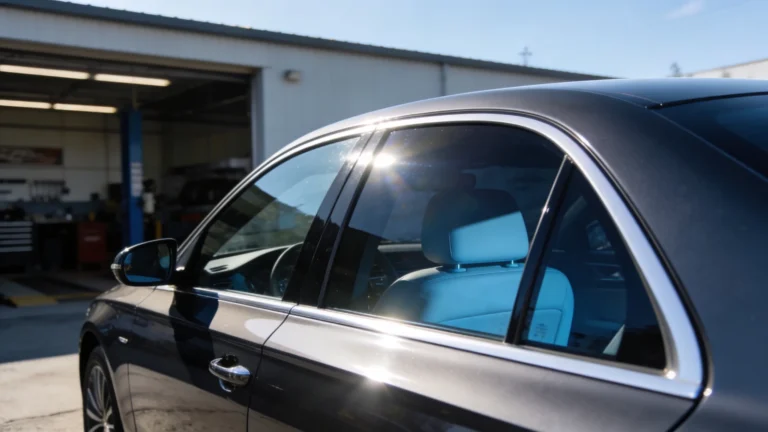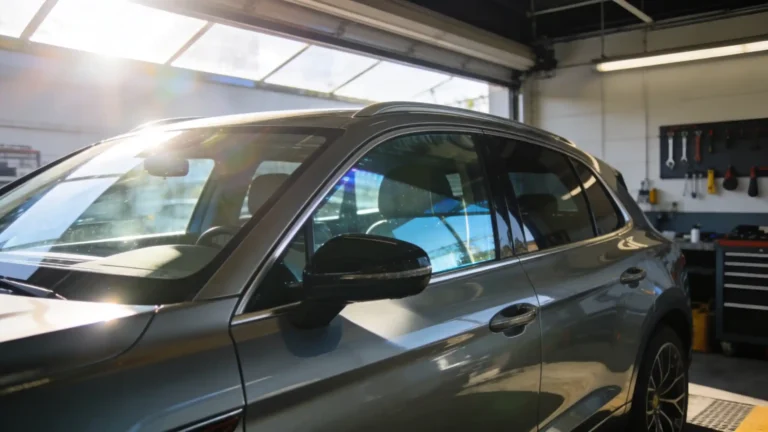
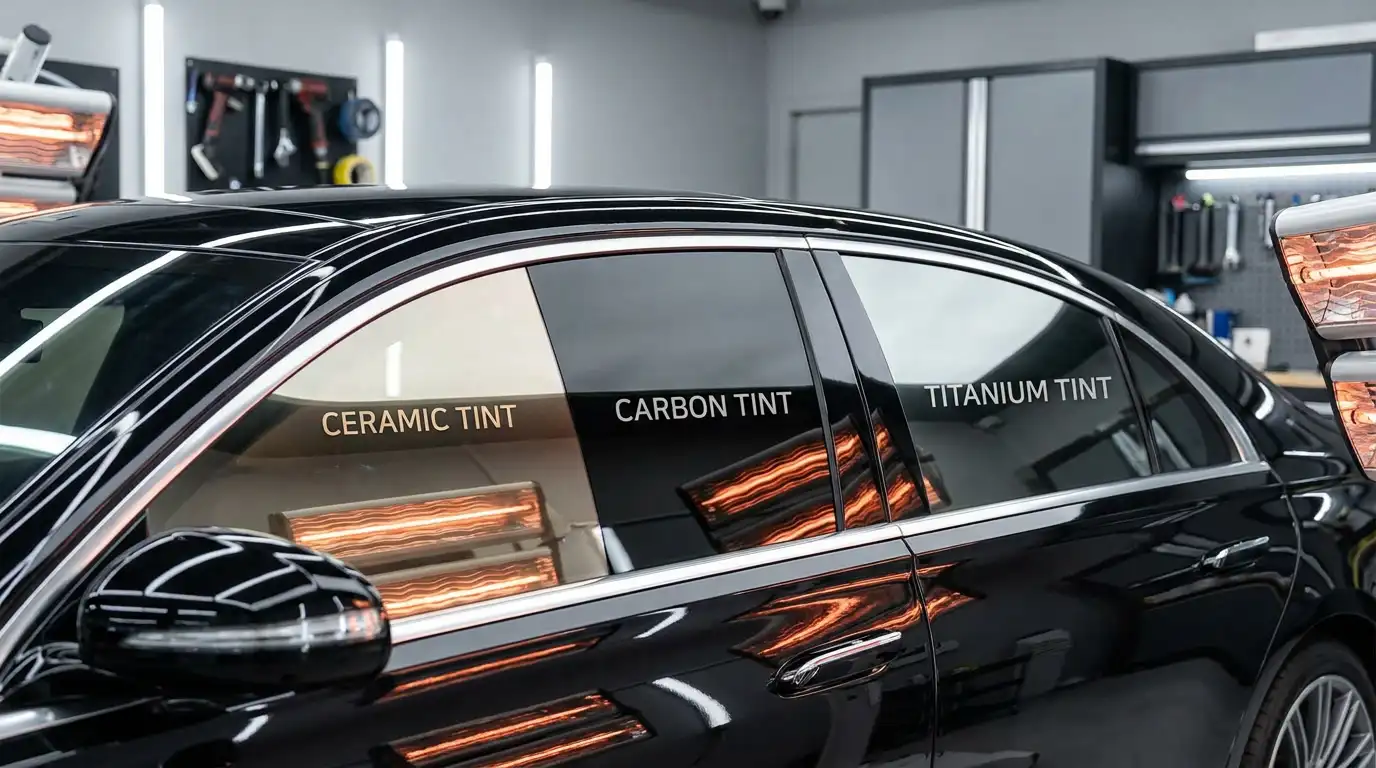
The main types of car window tint include dyed tint film, carbon tint, ceramic tint, hybrid tint, and metallic or titanium tinting. Each option offers different levels of heat reduction, privacy, UV protection, glare control, and appearance. The best choice depends on your budget, driving habits, local tint laws, and how much heat protection you want for your vehicle.
Choosing the right window tint is not only about making your car look better. The right automotive tint can help block heat, reduce glare, improve privacy, and protect your interior from sun damage. Today, drivers can choose from many window tinting options, including ceramic tint, carbon film, dyed film, reflective film, and clear automotive window film. Each one has its own strengths, tint levels, and appearance..
Understanding Why Window Tint Matters for Modern Vehicles
Many drivers choose window tint because it improves both comfort and appearance. Car window tinting film helps reduce sunlight inside the cabin, which can make driving easier during hot days. It also helps reduce glare from headlights and bright roads.
Window tinting does more than improve looks. Good window tint can help protect seats, dashboards, and other interior parts from fading. UV car window tint also helps block harmful ultraviolet rays that may affect your skin during long drives.
There are many types of car window tint available today. Some focus on privacy, while others focus on heat rejection or style. Different tint levels can also change how dark your windows appear from the outside.
Drivers often ask what is tinted windows or tint meaning because they want to understand how film changes visibility and comfort. In simple words, tint film is a thin layer placed on car glass to improve protection, reduce heat, and change the look of the vehicle.
How Different Tint Materials Affect Performance and Appearance
Not every tint material performs the same way. Some films mainly darken windows, while others provide advanced heat blocking and UV protection. Understanding window tinting material can help drivers choose the right option for their needs.
Dyed films usually absorb sunlight and reduce brightness. Carbon window tint for cars blocks more heat and gives windows a deep black finish. Ceramic tint uses advanced particles that help control heat without affecting electronics.
Some automotive tint products also reduce glare while keeping windows clearer from the inside. This matters for drivers who want better nighttime visibility.
Tint differences often become noticeable during summer weather. Cheap film may fade or bubble over time. Higher quality window tint materials auto installers use often last longer and provide better protection.
The appearance of tint also changes based on the film. Some films create dark window glass, while others keep a more natural look. Transparent car tint and clear automotive window film remain popular for drivers who want UV protection without making windows very dark.
Dyed Window Tint Film and Why It Remains a Budget Friendly Option
Dyed window tint film remains one of the most common tinting options because it costs less than advanced films. This tint uses dye layers to darken windows and reduce brightness inside the vehicle.
Many drivers choose dyed tint film because it improves privacy and gives cars a cleaner look. It also helps reduce glare during daytime driving. Budget window tinting often uses this type of film because installation costs stay lower.
However, dyed films usually provide less heat rejection compared to ceramic or carbon tint. Over time, lower quality dyed film may fade due to strong sunlight exposure.
Light car tinted windows often use lighter dyed films that still improve comfort without making the cabin too dark. Drivers who want a simple upgrade without spending too much money may find this option useful.
Although dyed film may not be the most expensive tint available, it still works well for many daily drivers when installed correctly by experienced professionals.
Reflective, Non Reflective, and Transparent Car Tint Options
Reflective window tint for cars uses metallic layers that bounce sunlight away from the vehicle. This can reduce cabin heat and improve daytime privacy. Some reflective films create a mirror style finish that many drivers enjoy.
Non reflective window tint for cars gives a cleaner and softer appearance. It works well for drivers who prefer a factory style look without a shiny surface.
Transparent car tint and clear automotive window film have also become more popular in recent years. These films block UV rays and help reduce heat while keeping windows mostly clear. Many drivers choose this option because they want protection without changing the appearance of their car too much.
Solar film car window products also help reduce sun glare during long drives. Car solar film may improve comfort while protecting interior materials from fading.
Some drivers also explore colored tinted windows, chrome tint for cars, or gold chrome window tint for a more custom look. These styles stand out more than traditional black tint car options.
Exploring Window Tint Shades, Percentages, and Tint Levels
Tint percentages tell you how much visible light passes through the glass. Lower numbers create darker windows. Higher numbers allow more light inside the vehicle.
Window tint percentages comparison charts help drivers understand how dark different tint levels appear. For example, 5 percent tint is extremely dark and often called limo tint. Many people asking what is limo tint are referring to this very dark shade.
A 30 percent window tint on car windows looks lighter and allows more visibility. Some drivers compare 20 vs 25 window tint because both provide privacy while still allowing reasonable visibility.
Different tint levels can change how your car looks from the outside and how comfortable it feels inside. Window tint shades and colors also affect appearance. Some films create dark black finishes, while others produce softer gray or charcoal tones.
Drivers should review car window tint shades chart guides before choosing film. Understanding tint level comparison information can help avoid problems with visibility or local laws.
Some drivers prefer the darkest window tint for cars because they want maximum privacy. Others choose lighter shades of tint for easier nighttime driving.
Window Tint Colors, Styles, and Custom Design Options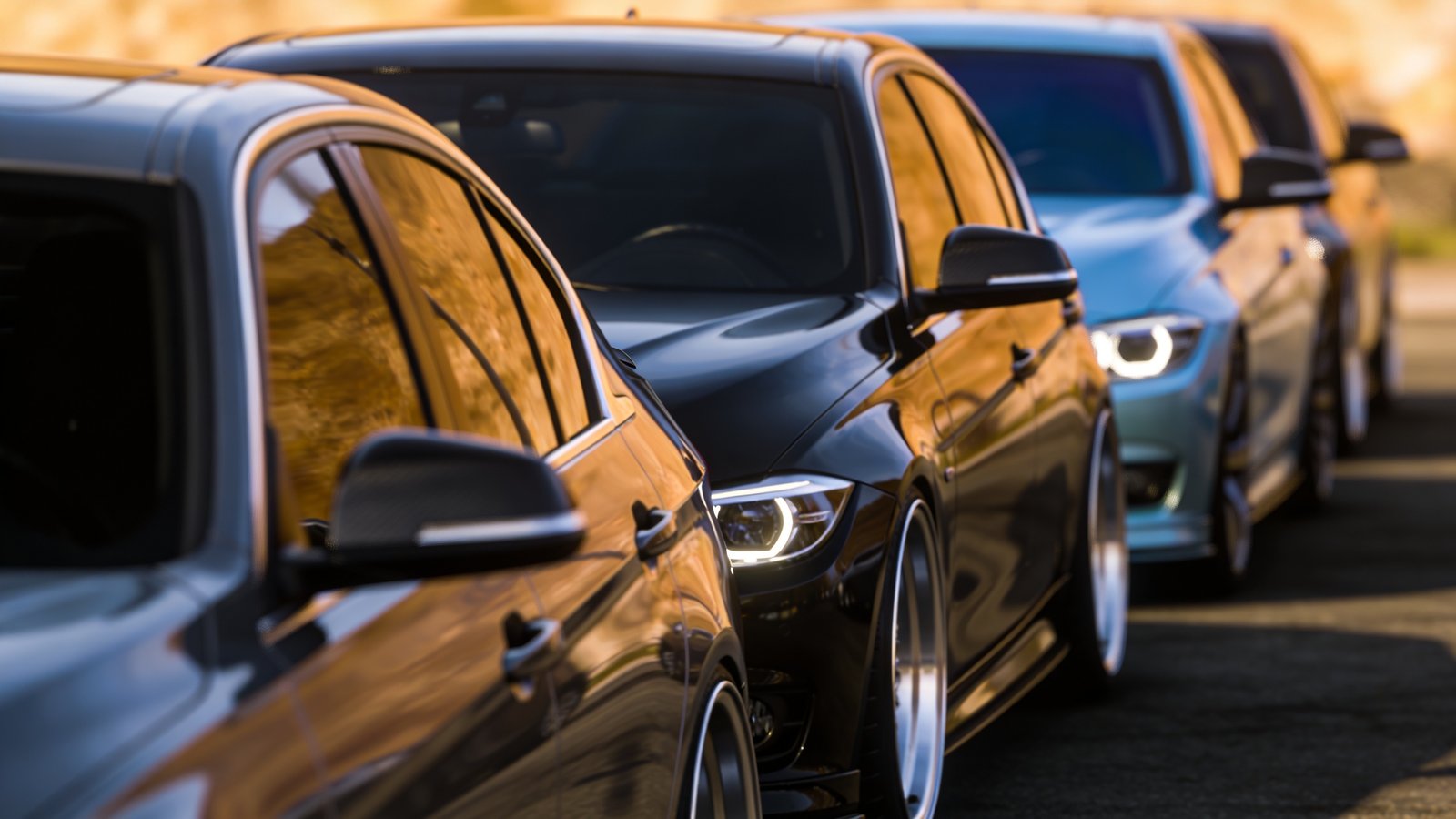
Window tint today offers more than simple black film. Different window tint colors allow drivers to customize their vehicles in creative ways.
Colored tint film can create blue, bronze, charcoal, or silver shades. Some luxury vehicles use subtle tint variations to create a more stylish appearance. Different color car tints also help vehicles stand out at shows and events.
Gradient window tint for cars creates a fading effect that changes from darker to lighter shades. Chrome tint for cars reflects sunlight strongly and creates a bright mirrored look.
Window tint with designs for cars has also become popular among drivers who want custom styling. Some vehicles use decorative patterns, logos, or artistic details within the film itself.
Although custom styles look unique, drivers should still focus on visibility and local laws. Some extreme styles may reduce nighttime visibility or fail street legal window tint rules.
Black tinted glass window styles remain the most popular because they provide a clean look that matches almost every vehicle color.
Choosing the Right Tint for Windshields and Front Windows
Windshield tint requires extra care because visibility matters for safety. Drivers often ask what tint for windshield applications works best without affecting nighttime driving.
Half tint windshield setups place a darker strip across the top of the windshield. This helps reduce glare from sunlight while keeping most of the glass clear.
Some drivers use light windshield tint colors across the full windshield for better heat control. However, many states have strict rules about front windshield film.
Drivers also ask what tint should I get on my windshield when trying to balance comfort and safety. In most cases, lighter films work best because they reduce glare without creating dark visibility problems.
Transparent car tint and UV film car products often work well for front windows because they block heat without making the glass appear too dark.
Professional installers usually help drivers choose tint levels that improve comfort while following local laws.
Street Legal Window Tint Rules Drivers Should Understand
Street legal window tint laws vary between states. Some areas allow darker rear windows but require lighter front side windows. Drivers should always check legal rules before installing film.
Window tint grades chart guides often explain how much light must pass through each window. Automotive window tint grades also help drivers understand which products meet local standards.
Very dark film may look attractive, but it can create safety concerns during nighttime driving. Dark window glass may also increase the chance of traffic tickets if it violates state regulations.
Drivers in Farmington Hills should work with experienced installers who understand local tint laws and proper film recommendations. Professional guidance helps avoid expensive mistakes.
Some people think the darkest window tint for cars always provides the best protection. In reality, many lighter ceramic films block heat effectively while remaining legal and safer to drive with.
Understanding tint range and tint spec information can help drivers make smarter choices before installation begins.
What Is the Best Type of Car Window Tint for Your Driving Needs in Farmington Hills?
The best tint depends on how you use your vehicle every day. Drivers who spend long hours in the sun may benefit from ceramic tint because it blocks strong heat and UV rays. Drivers on tighter budgets may prefer dyed film or hybrid window tint.
Families often choose films that reduce cabin heat and improve comfort for children during long drives. Luxury vehicle owners sometimes choose carbon or ceramic films because they provide strong performance and clean appearance.
Drivers who want a more custom style may explore chrome tint, colored tinted windows, or special tinting ideas. Others prefer clear automotive window film for a cleaner and more natural look.
At Rive Autohaus LLC, drivers receive help choosing window tinting options that match both performance needs and legal requirements. Experienced installers can explain tint differences and help compare different car tint levels before installation.
Choosing good window tint means balancing comfort, privacy, visibility, style, and durability. Taking time to compare options often leads to better long term satisfaction.
Final Thoughts on Choosing the Right Car Window Tint
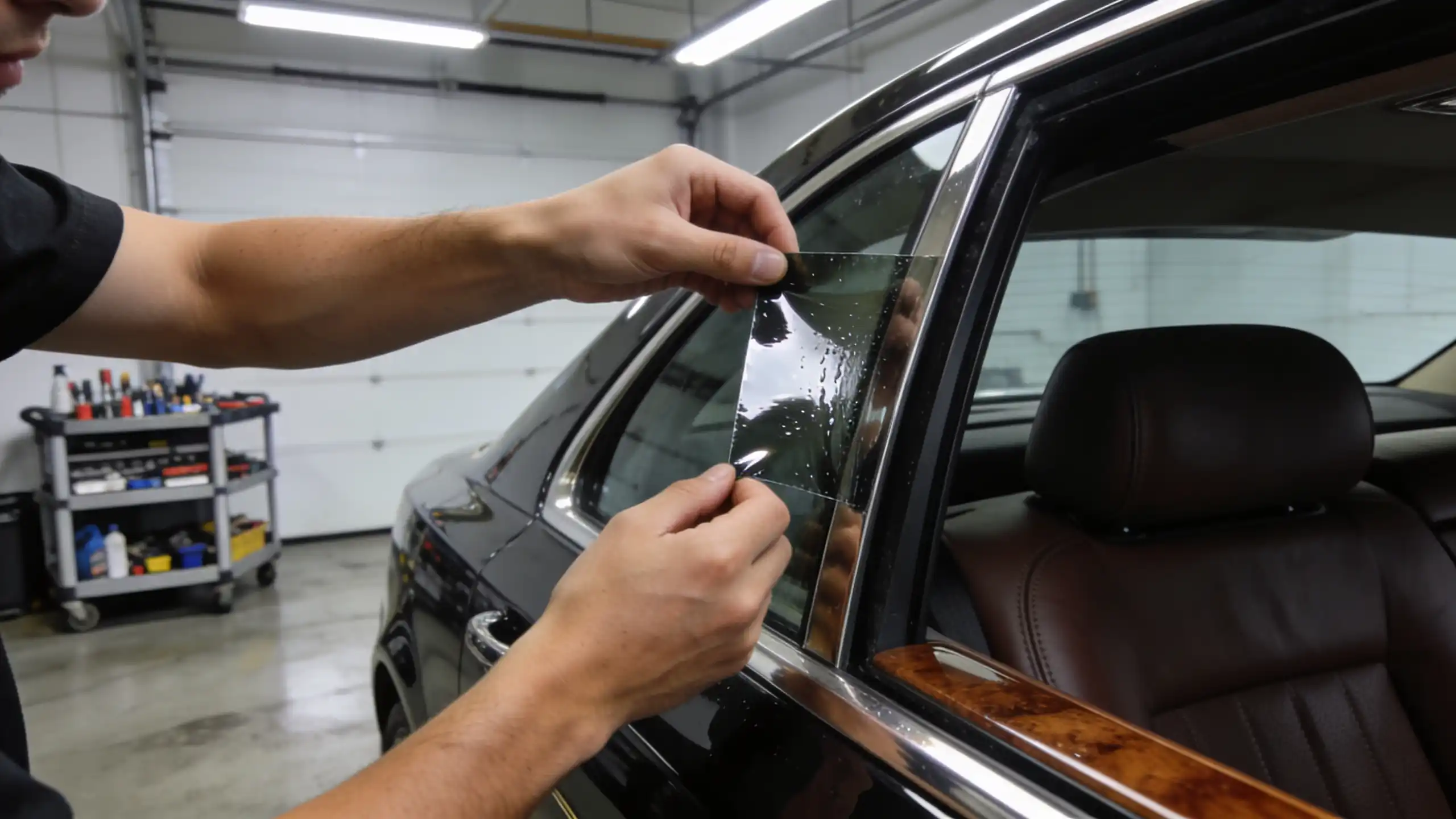
Choosing the right tint film can improve comfort, appearance, and driving experience. Today, drivers have many options, including dyed film, ceramic tint, carbon film, titanium tinting, reflective tint, and transparent automotive film.
Understanding types of car window tint helps drivers compare heat rejection, glare reduction, tint percentages, and overall durability. It also helps drivers choose films that match both personal style and legal requirements.
Drivers should focus on quality installation and long term performance instead of choosing film only because it looks dark. Good tint protects your interior, improves comfort, and helps reduce sunlight during daily driving.
Rive Autohaus LLC helps drivers understand all about tint before making a final decision. Professional guidance makes it easier to choose the right film for comfort, style, and safety.
If you are thinking about upgrading your vehicle with professional window tint, now is a great time to explore your options. A quality tint installation can improve comfort, protect your interior, and give your vehicle a cleaner and more modern appearance for years to come.