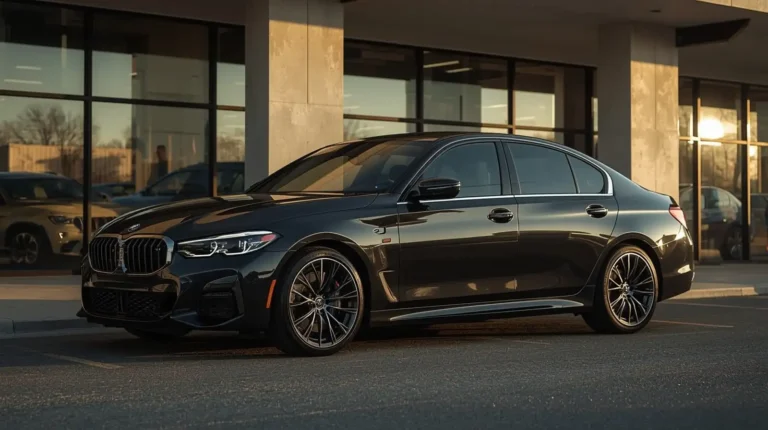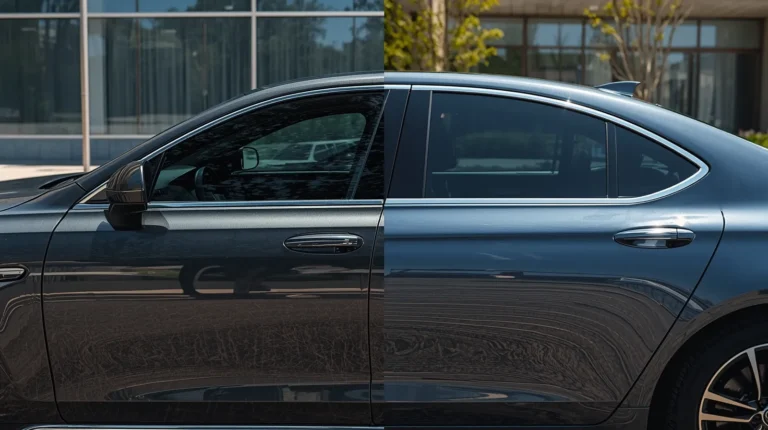
UV blocking car window tint helps reduce harmful ultraviolet rays that pass through vehicle glass. High quality tint film can block up to 99% of UV rays, helping protect your skin, eyes, and vehicle interior from sun damage during daily driving.
Many drivers spend hours inside their vehicles every week without realizing how much sunlight enters through the windows. While standard auto glass offers some protection, it often does not fully block harmful UV rays. Over time, this exposure can affect your skin, eyes, dashboard, seats, and overall comfort while driving.
Modern window tinting for UV protection gives drivers an extra layer of defense against harsh sunlight. Today’s UV filtering film can reduce heat, lower glare, and improve driving comfort while helping protect the inside of your vehicle from fading and cracking.
Why More Drivers Are Choosing UV Protection for Their Vehicles
Many people now understand the dangers of long exposure to sunlight. Drivers often spend time commuting, traveling, or sitting in traffic during bright daytime hours. This daily exposure can increase discomfort and heat inside the vehicle.
Car window UV protection helps reduce the amount of ultraviolet light entering the cabin. Drivers choose tinted windows sun protection because it helps keep the interior cooler while improving comfort during long drives.
Sunlight can also damage the inside of a car. Seats, dashboards, steering wheels, and trim pieces may fade or crack over time. UV car window tint helps slow this damage by blocking harmful rays before they reach interior surfaces.
Another reason people choose tint is glare reduction. Bright sunlight can make it harder to see the road clearly. UV blocking window tint helps soften harsh light and creates a more comfortable driving experience.
Many drivers also enjoy the cleaner and more stylish appearance that tinted windows provide. Modern window films improve both protection and appearance at the same time.
Understanding How UV Rays Pass Through Glass
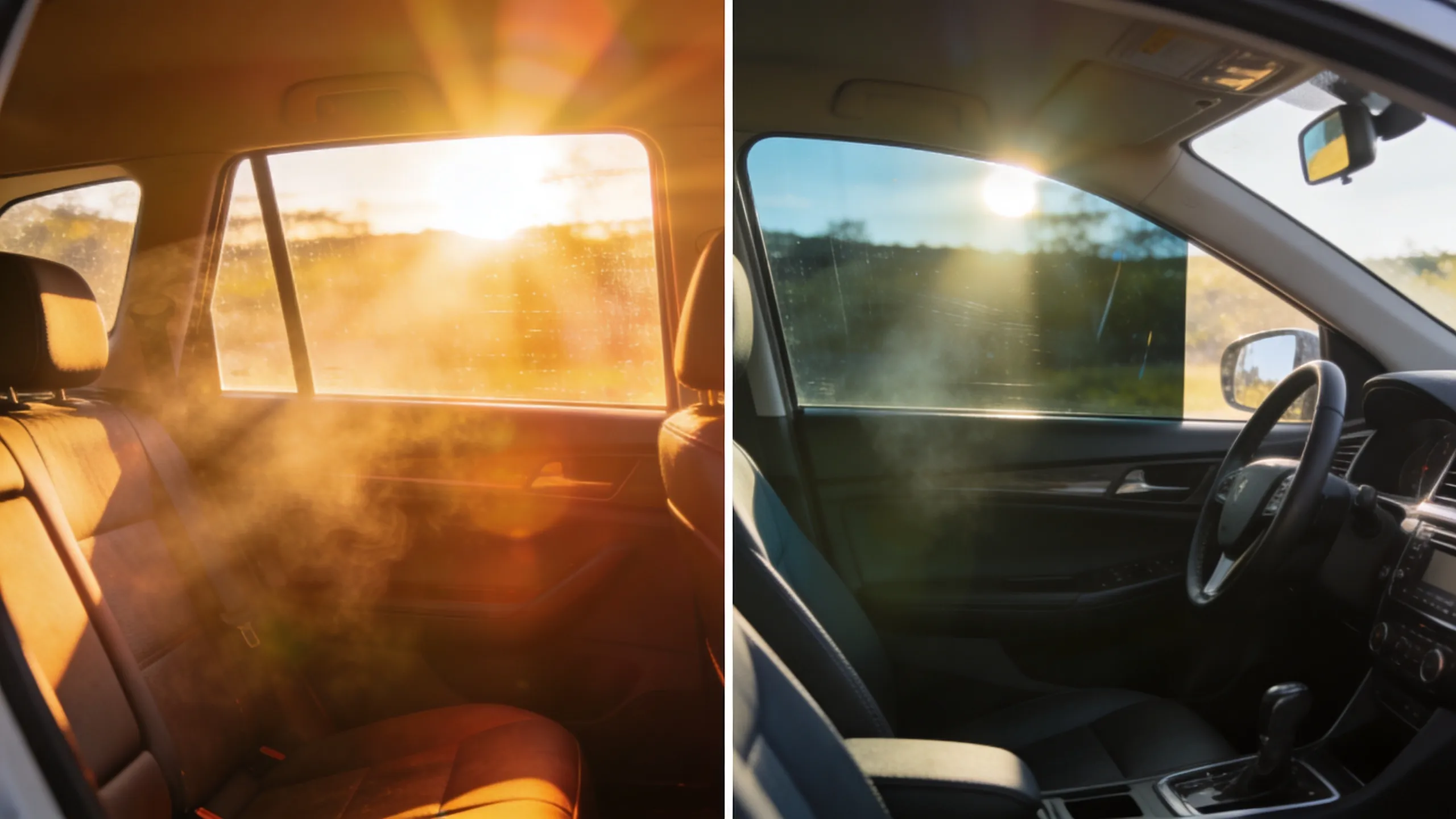
Many drivers ask, do car windows block UV rays naturally? The answer is yes, but only partially. Most factory side windows block some UVB rays, but many still allow a large amount of UVA light to pass through.
Can UV light go through glass? Yes, especially UVA rays. These rays travel through untreated glass more easily than many people realize. Over time, this exposure may affect your skin during long drives.
Front windshields often provide better UV protection because they use laminated glass. Side and rear windows usually offer less protection unless they have special coatings or tint film installed.
Some people also ask, does glass protect from UV completely? Standard automotive glass helps reduce some exposure, but it does not fully stop harmful rays from entering the cabin.
UV radiation through glass becomes more noticeable during sunny weather or long road trips. Drivers may not feel the damage immediately, but sunlight exposure adds up over time.
This is one reason why more drivers now choose UV filtering film for extra protection beyond factory glass.
What Is UV Blocking Car Window Tint and How Does It Work?
Window tint works by adding a thin protective film to the inside of vehicle glass. This film helps reduce sunlight, glare, and heat while improving comfort inside the vehicle.
UV blocking car window tint contains materials that help stop ultraviolet rays before they pass through the glass. Some films use ceramic layers, while others use carbon or advanced polyester materials to improve protection.
Window tinting for UV protection can block a large percentage of harmful UVA and UVB rays. This helps reduce skin exposure while protecting vehicle interiors from fading.
Some drivers think tinted windows only make vehicles darker. In reality, modern tint technology offers much more than appearance changes. Clear UV protection car film can block harmful sunlight without making windows look extremely dark.
What do tinted windows do besides improve style? They help reduce glare, lower cabin temperatures, protect interior materials, and improve comfort during daily driving.
Solar tinted glass also helps reduce the amount of heat entering the vehicle. This can make air conditioning systems work more efficiently during warm weather.
Does Car Window Tint Really Block UV Rays?
Many people wonder if tint truly works or if it only changes appearance. The truth is that high quality film provides strong UV protection when installed correctly.
Does window tinting block UV effectively? Yes. Premium films often block up to 99% of ultraviolet rays. This makes a major difference during long hours behind the wheel.
Drivers also ask, does car window tint block UV rays better than factory glass? In many cases, yes. Factory windows may reduce some exposure, but professional tint film adds stronger protection against harmful sunlight.
Does tint protect from UV while driving every day? Absolutely. Quality UV window film helps reduce long term exposure that may affect skin, eyes, and vehicle interiors.
Modern UV coated windows work by filtering harmful rays before they enter the cabin. Some advanced films also reject heat while maintaining excellent visibility.
Drivers often notice a cooler interior and less glare after installing professional window tint. These benefits improve comfort while helping protect both passengers and vehicle materials from sun damage.
Different Types of UV Protection Films for Cars
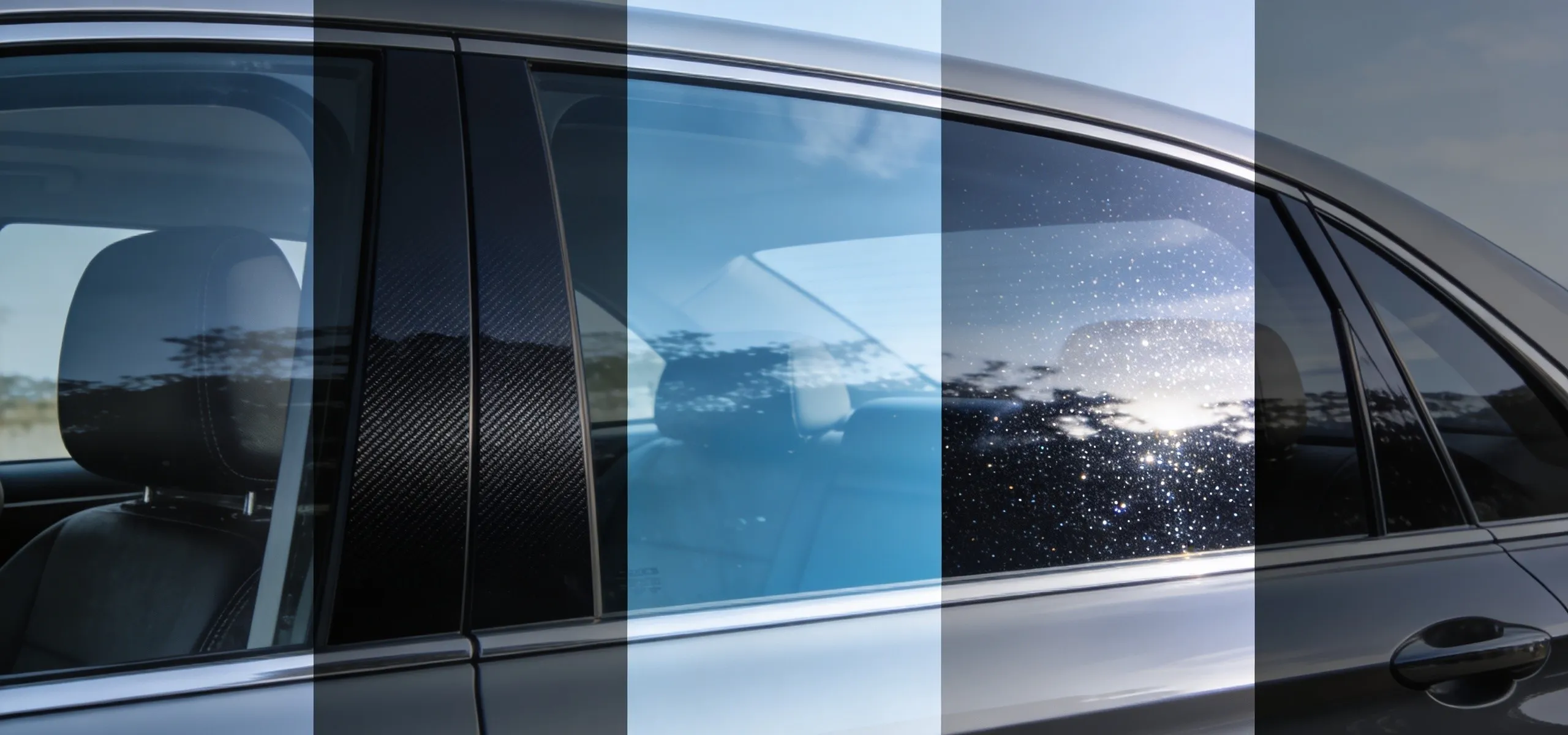
Ceramic UV Window Tint
Ceramic UV car window tint is one of the most advanced options available today. This film uses non metallic ceramic particles to block harmful ultraviolet rays and reduce heat inside the vehicle.
Many drivers choose ceramic tint because it provides strong UV protection without interfering with GPS, Bluetooth, or phone signals. It also helps keep the cabin cooler during hot weather while maintaining clear visibility from inside the vehicle.
Ceramic film often costs more than other tint types, but many drivers feel the long term comfort and durability make it worth the investment.
Carbon UV Protection Film
Carbon window tint uses carbon particles to help block sunlight and reduce heat buildup inside the vehicle. This film creates a rich black appearance while helping protect seats, dashboards, and trim from sun damage.
Carbon tint does not fade as quickly as some lower quality films. Many drivers choose this option because it balances appearance, durability, and UV protection at a reasonable price.
This type of sun rays tint also reduces glare and improves driving comfort during bright daytime conditions.
Dyed UV Window Film
Dyed film is one of the most budget friendly window tinting options available. This film uses dye layers to darken windows and absorb sunlight.
While dyed film may not block as much heat as ceramic or carbon film, it still helps reduce glare and provides basic UV protection. Many drivers choose dyed film because it improves appearance while keeping installation costs lower.
Lower quality dyed tint may fade over time if exposed to strong sunlight for many years.
Clear UV Protection Car Film
Some drivers want UV protection without making their windows look dark. Clear UV protection car film works well for this purpose.
This nearly invisible film helps block harmful ultraviolet rays while keeping the factory appearance of the glass. Drivers who want better visibility at night often prefer this option.
Clear UV film is also popular for windshield UV protection because it improves comfort without heavily changing visibility.
Metallic and Reflective UV Film
Metallic films use small metal particles to reflect sunlight away from the vehicle. These films help reduce heat and create strong glare protection.
Reflective UV films can make windows look shiny or mirrored from the outside. Some drivers like this bold appearance, while others prefer a softer look.
Although metallic films provide strong heat rejection, some products may interfere with electronic signals depending on the film quality and installation.
Hybrid UV Window Tint
Hybrid films combine multiple materials together, often mixing dyed and metallic layers. This helps create balanced performance for drivers who want better protection without paying premium ceramic film prices.
Hybrid tint can reduce glare, improve comfort, and provide good UV blocking performance while maintaining a stylish appearance. Many drivers choose this option because it offers a strong mix of value and performance.
The Real Benefits of Window Tinting for UV Protection
Many drivers first choose tint because they want privacy or style. After installation, they often realize the comfort benefits matter even more.
- Tinted windows sun protection helps reduce direct sunlight during daytime driving. This creates a cooler and more comfortable cabin environment.
- One major benefit of window tinting car owners notice quickly is reduced interior heat. Vehicles parked in the sun often stay cooler after professional tint installation.
- UV car protection also helps preserve leather seats, dashboards, and trim pieces. Constant sunlight may cause cracking, fading, and discoloration over time.
- Window tint also reduces glare from sunlight and headlights. This can make driving easier during early mornings, afternoons, and nighttime conditions.
- Many drivers with sensitive skin also appreciate the added protection from harmful ultraviolet exposure. Some people even choose tint for medical reasons related to skin conditions or sunlight sensitivity.
Another benefit is improved driving comfort during long trips. Less heat and glare often create a calmer and more relaxing experience behind the wheel.
Can You Still Get Sunburned Through a Car Window?
Many people feel surprised when they learn they can still get sunburned through glass. While standard auto glass blocks some rays, it may not fully stop UVA exposure.
Can UV rays penetrate glass during daily driving? Yes, especially through untreated side windows. UVA rays travel through glass more easily than UVB rays.
Some drivers ask, can you get a sunburn through a glass window or can you get sunburned through a car window? The answer is yes, especially during long drives with strong sunlight exposure.
Does glass protect from UV completely? No. Standard windows reduce some exposure, but they do not fully block ultraviolet light without added film protection.
UV light through glass may also contribute to skin aging and discomfort over time. This is why many drivers now choose professional UV filtering film for added protection.
Window UV filter technology helps reduce the amount of harmful sunlight entering the cabin. Better quality films create stronger protection while improving comfort at the same time.
Windshield UV Protection and Front Window Safety
Many drivers focus only on side windows and forget about windshield UV exposure. However, front windshields receive constant sunlight during daytime driving.
Windshield UV protection film helps reduce glare and harmful ultraviolet exposure while maintaining visibility. Many modern films remain nearly clear while still blocking strong sunlight.
Drivers should always balance sun protection with safety. Extremely dark windshield tint may reduce nighttime visibility and create legal concerns in some states.
Professional installers often recommend lighter windshield UV films that provide protection without making the glass too dark.
UV protection windshield products also help reduce dashboard fading and interior heat buildup. Drivers may notice improved comfort during long commutes or road trips.
Many drivers do not realize how much time they spend facing direct sunlight through the windshield every week. Adding UV film can help create a safer and more comfortable driving environment.
How to Choose the Best UV Protection for Car Windows
Choosing the right film depends on your budget, driving habits, and comfort goals. Some drivers want maximum heat rejection, while others focus more on appearance or UV protection.
High quality UV filtering film usually lasts longer and performs better over time. Cheap film may fade, bubble, or peel after years of sunlight exposure.
Drivers should look for films with strong UV blocking ratings, good heat rejection, and reliable warranty coverage. Clear visibility also matters for safer driving.
Professional installation plays a major role in long term performance. Even the best tint film may fail if installed incorrectly.
Drivers should also ask about film durability, maintenance, and legal tint limits before choosing a product.
At Rive Autohaus LLC, customers receive guidance based on real driving conditions, vehicle type, and comfort needs. Professional recommendations help drivers avoid poor quality products and choose better long term solutions.
Why Drivers in Farmington Hills Choose Professional UV Window Tinting
Weather conditions and daily driving habits often increase sunlight exposure throughout the year. Drivers want better comfort, lower glare, and stronger protection while spending time on the road.
Professional tint installation provides cleaner results than low quality DIY products. Properly installed film looks smoother, lasts longer, and performs better over time.
Many drivers choose professional UV window tinting because they want reliable protection without bubbling, peeling, or fading problems later.
Experienced installers also understand local tint laws and proper film selection. This helps drivers avoid legal issues while still improving comfort and appearance.
Rive Autohaus LLC helps drivers compare tint films based on visibility, heat rejection, UV protection, and long term durability. Professional guidance makes the process easier for customers who may feel overwhelmed by different film options.
Quality tint installation protects both the vehicle and the people inside it. That long term value matters to many drivers looking for comfort and protection.
Final Thoughts on UV Blocking Window Tint for Vehicles
Window tint does much more than improve the appearance of a vehicle. Modern UV protection film helps reduce harmful sunlight, lower cabin temperatures, and protect vehicle interiors from fading.
Drivers who spend hours on the road often notice major comfort improvements after installing quality tint film. Reduced glare, cooler temperatures, and added UV protection make driving easier during every season.
Understanding how UV rays move through glass also helps drivers make smarter decisions about window protection. Factory windows alone may not provide the level of protection many people expect.
Professional UV filtering film creates an extra barrier against harmful sunlight while improving comfort and appearance at the same time.
If you are thinking about improving comfort and protection inside your vehicle, professional window tint installation can make a noticeable difference. Quality film helps protect your interior, improves daily driving comfort, and gives your vehicle a cleaner and more modern appearance for years to come.